
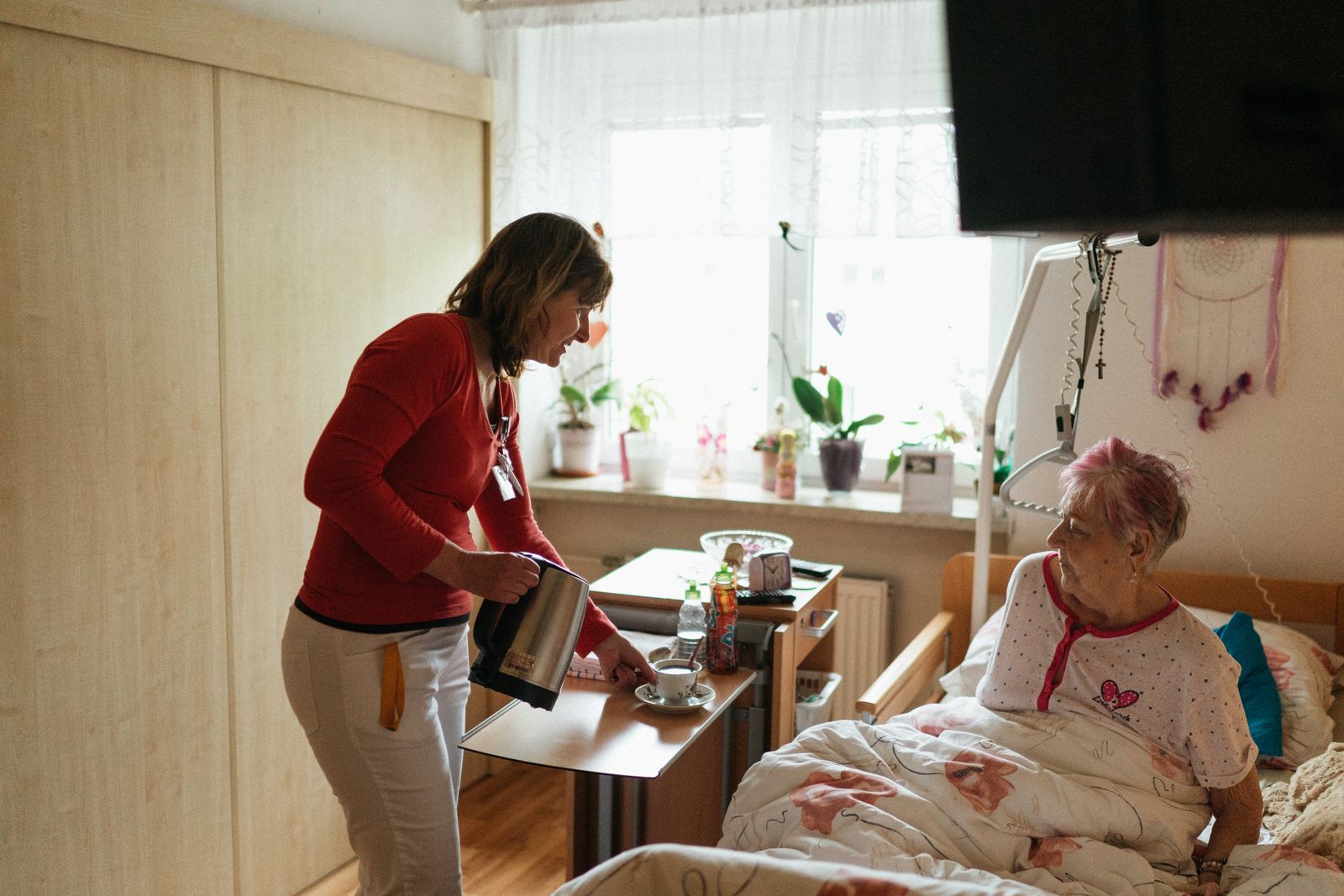
In-home care during cancer treatment.
Support through chemotherapy and the days that follow it. Meals when food is not appealing, quiet company on the hard afternoons, and the same caregiver every visit, in a season when familiarity is rare.
- Licensed in TexasHCSSA #023843
- How we workPrivate pay, non-medical
- When you callA real person, never a call center
Cancer treatment is not predictable. Energy comes and goes. Appetite changes. Some days call for company and some for quiet. The hours after an infusion are nothing like the hours before, and the Tuesday of cycle one is nothing like the Tuesday of cycle four. A caregiver who shows up once and leaves learns none of that. The agency that rotates faces every week ends up caring for a stranger every week. We do the opposite. The same one or two caregivers return, and they learn what your loved one can eat in the days after chemotherapy, which afternoon they want the curtains open and which they want the lamp instead. The repetition is the work.
A familiar face during a season when familiarity is rare.
No vague reassurance. Here is exactly what a caregiver does in this home, on an ordinary day, kept to the plan and documented.
Through infusion week
Rides to and from MD Anderson, Houston Methodist, and the wider Texas Medical Center. Hydration tracked, anti-nausea timed correctly, and the bag stocked with what comes home in it.
Meals when nothing sounds good
Soft foods, cold foods, neutral flavors, the broths and rice that go down when the meal you planned will not. We learn what works for this person, in these days, and keep it on hand.
The middle of the day
The long stretch between morning medications and evening visitors. Reading aloud, a card game, a cool washcloth, a quiet presence in the next room. Company that does not demand anything.
Mobility when strength dips
Steady transfers from bed to chair to bathroom when fatigue is heavy. Fall prevention is not optional during treatment, when a fall can cost weeks of progress.
Relief for the family
The spouse who has been the primary caregiver gets a quiet hour. The daughter who flew in from out of state gets to be a daughter again instead of a nurse.
The need changes as the season does. The plan changes with it, and the team does not. Here is how an engagement is built to move.
- During active treatment
Hands-on support through the most demanding stretch. Rides to infusion. Anti-nausea on schedule. Hydration tracked. Skin care for radiation sites. Help in and out of bed when fatigue is heavy. The household quietly kept while energy is reserved for getting through the cycle.
- Between cycles
A lighter presence. Light meal prep, gentle movement where the oncologist clears it, the errands and laundry the household used to handle on its own. The caregiver stays the same person, so the rhythm holds even as the intensity changes.
- The recovery stretch
As strength returns we step back. Independence-supporting visits replace hands-on care, and the plan is reviewed with the family every two weeks. We are not trying to sell more hours than the season needs.
- If treatment ends in comfort care
If the conversation with oncology shifts from treatment to comfort, we work alongside your hospice team, and the transition is carried by the same caregiver who has been there through chemotherapy. The household stays the household.
Caregivers assigned to oncology clients prepare before the first shift: chemotherapy side-effect management, neutropenic precaution protocols, the signs of infection that warrant a same-day call to the oncologist, port and PICC line awareness, and the household-hygiene routines that protect an immunocompromised client. We share what we see with your oncology team when invited. We do not interpret results and we do not adjust medication, because that is the clinical team's work, not ours. What we do is observe closely and report what we see to the people who can act on it: the family, the oncology nurse, and the care manager when one is involved.
Licensed in Texas, HCSSA #023843.
Straight answers first, the reasoning after. If yours is not here, a real person on our care team will answer it on the phone.
- 01Do you work with my oncology team at MD Anderson?
- When you invite us to. We are not part of your hospital's team, but with your okay we share what we observe at home with whoever is treating you, at MD Anderson, Houston Methodist, or anywhere else. We do not interpret results or adjust medication. We complement the clinical team by keeping the daily picture connected to the medical one.
- 02Can in-home care help during chemotherapy?
- Yes. This is much of what we do: rides to and from infusion, anti-nausea timed correctly, hydration tracked, meals that go down when nothing sounds good, fall-safe mobility when fatigue is heavy, and quiet company on the hard afternoons. The same caregiver returns each visit and learns the rhythm of your cycles.
- 03How is this different from a home health agency?
- A home-health agency provides skilled, clinical, often Medicare-covered care like nursing and therapy. Giving Care Houston is private-pay, non-medical personal care: the daily presence, comfort, transportation, meals, and continuity that surround treatment. We work alongside home health and oncology rather than replacing them.
- 04Can you start before treatment begins?
- Yes, and starting early helps. When the same caregiver is in place before the first infusion, they learn the household, the preferences, and the baseline while energy is still high. That groundwork is what lets the care adapt smoothly once treatment makes the days unpredictable. We can usually begin within days of a consultation.
- 05What if treatment ends in hospice?
- If the conversation moves from treatment to comfort, the same caregiver who has been there through chemotherapy carries the transition. We work alongside your hospice team, the household stays the household, and the family does not have to start over with a stranger at the hardest moment. Continuity matters most here.
Where we serveGreater Houston and the surrounding areas.
Active oncology engagements across Greater Houston and the surrounding areas, with rides to MD Anderson and Houston Methodist.
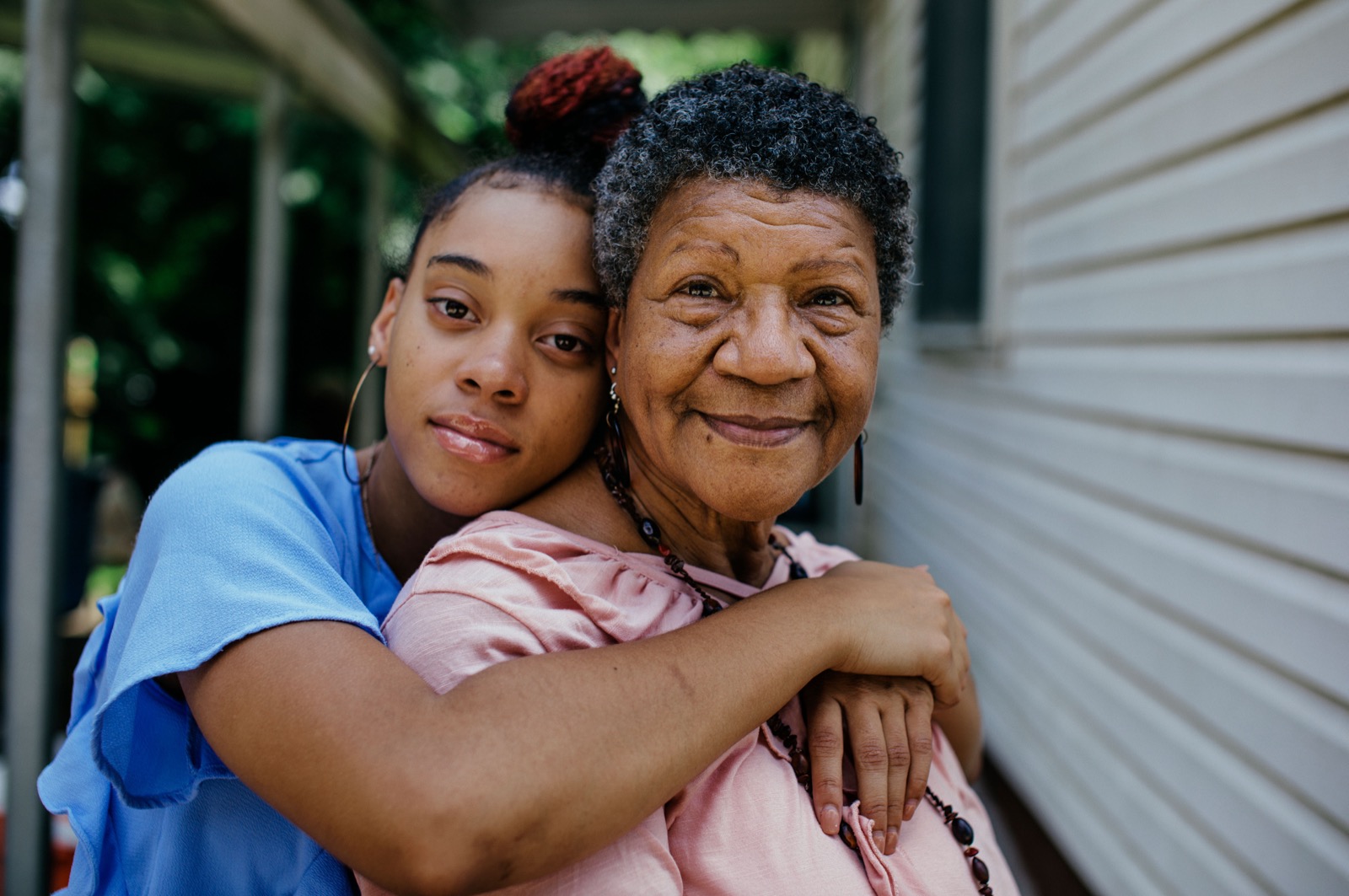
your family.
Call any time and tell us about your loved one. We will talk through in-home care during cancer treatment, what it looks like, and how we would staff it. You reach a real person on our care team who knows your family, never a call center, and we get back to you the same day, within one business day at the latest.
A real person on our care team who knows your family answers, never a call center.