
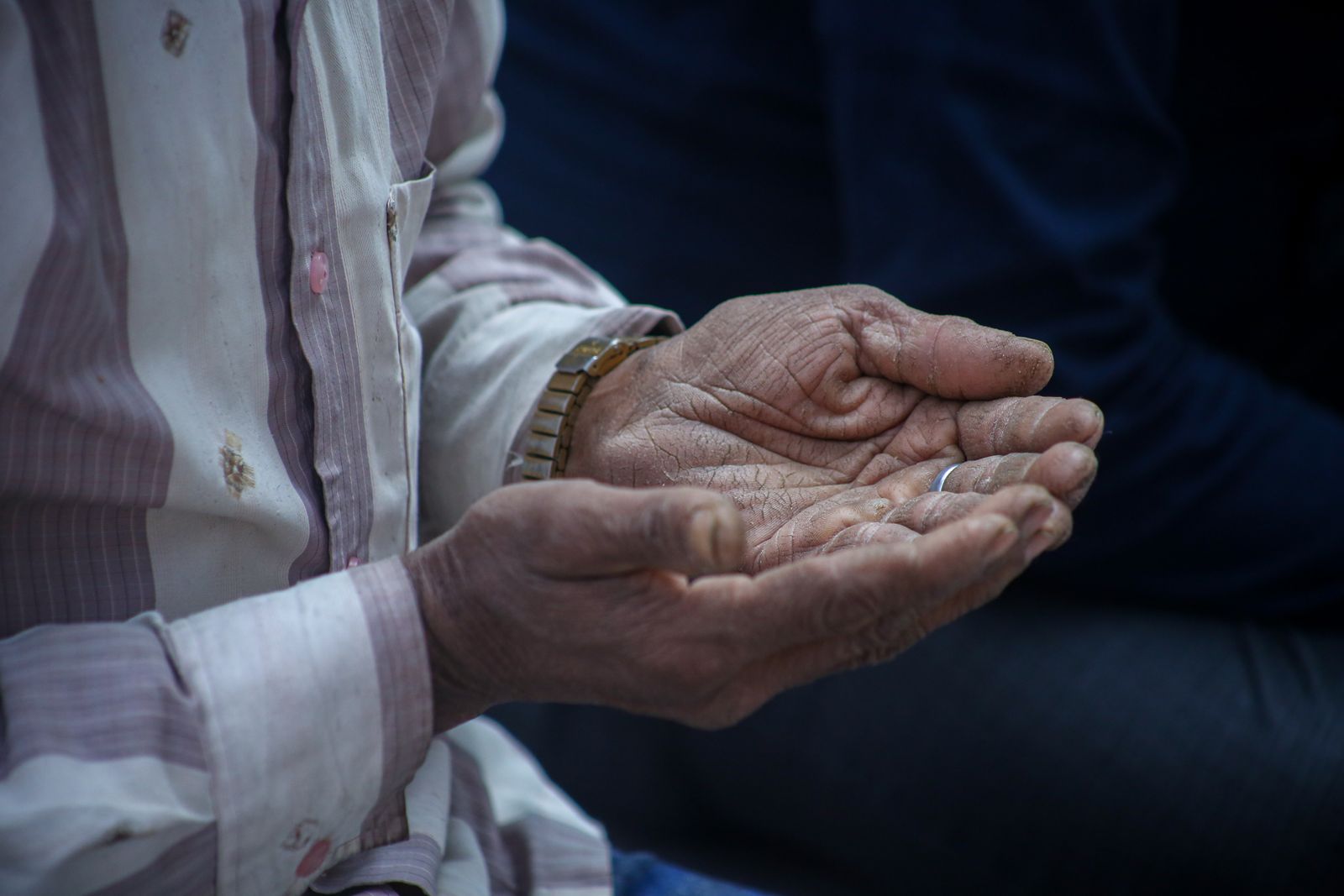
Comfort and end-of-life care at home in Houston.
Comfort-focused presence alongside the clinical team, through cancer treatment, through a serious illness, and through the final season. The same caregiver, the household kept, so the family can step back from managing care and simply be family.
- Licensed in TexasHCSSA #023843
- How we workPrivate pay, non-medical
- When you callA real person, never a call center
When an illness turns serious, the medical questions are not the only ones, and often they are not the heaviest. Who sits with your loved one through the long afternoon between appointments. Who is there when the nurse from hospice goes home for the night. Who keeps the household running while the family sits with what is happening. This is the work that has no clinical name and no visit code, and it is the work we are built for. We are a non-medical agency, and we say so plainly. We do not provide the medical care, the therapy, or the clinical decisions. We complement the oncology team, the palliative team, and hospice, we never replace them. What we bring is presence: the steady, familiar hand in the room between the visits, the meals when food is hard, the comfort care done gently, the household held together so the family is free to be the family.
We are there so the family can be a family.
Each kind of care here gets its own honest account. Where one has a page of its own, you can read further.
In-home care during and after cancer treatment
Cancer treatment does not run on a schedule the household can plan around. Energy comes and goes. Appetite changes by the hour. The Tuesday after an infusion is nothing like the Tuesday before it, and cycle four is nothing like cycle one. A caregiver who shows up once and rotates out the next week learns none of that, and the family ends up explaining the same things to a stranger again and again.
We do the opposite. The same one or two caregivers return, and they learn the rhythm of the fatigue between treatments, what your loved one can actually eat in the days after chemotherapy, which afternoon they want the curtains open and which they want the lamp instead. They drive to and from infusion at MD Anderson, Houston Methodist, and the wider Texas Medical Center, and they keep the household quietly running while the energy that is left goes toward getting through the cycle.
We coordinate with your oncology team when you invite us to. We do not interpret results or change medication, because that is the clinical team's work. We complement it by keeping the daily picture connected to the medical one.
- Rides to and from infusion at MD Anderson, Houston Methodist, and the Texas Medical Center, with the family kept informed when they cannot be in the room
- Meals tuned to the days after chemotherapy, the soft and neutral foods that go down when nothing planned will
- Quiet company through the hard afternoons and steady, sure-footed help with mobility when fatigue is heavy
- Real relief for the spouse or daughter who has been carrying it all, so they can rest and be family again
Palliative comfort care at home
A serious illness asks more of an ordinary day than most people expect. The medications, the appointments, the fatigue, the small tasks that used to take a minute and now take an hour. Palliative care from your medical team focuses on easing symptoms and improving quality of life through the illness. Our work sits beside that, in the hours the clinical team is not in the room.
We are a non-medical agency, and the line is honest and firm. We do not manage symptoms, deliver therapy, or make clinical decisions. The palliative and medical team does the medical care. What we do is ease the day-to-day: a predictable rhythm to meals and rest, gentle help with bathing and dressing done without rush, company that does not demand anything, and the household kept so the weight of running it lifts off the family.
The point is comfort and dignity in the everyday, carried by the same familiar caregiver, so the days of a hard illness have steadiness in them and the family is not stretched thin holding it all together.
- Comfort-focused, non-medical presence that eases the day-to-day of a serious illness, alongside the palliative medical team
- Gentle personal care, bathing, dressing, and grooming, done unhurried and with privacy
- A steady daily routine and quiet company through the long stretches between appointments
- The household kept and the family relieved, while the clinical team handles the medical care
End-of-life care at home
End-of-life care is as much about the family as the person at the center of it. Most families using this care also have hospice, and we work alongside it, never around it. Hospice provides medical oversight on a visit cadence. We provide the steady presence in the hours between those visits, including overnight when the family needs to sleep, so the home is never left without a familiar, capable hand in it.
We talk with families about what they want, how to honor cultural, spiritual, and personal wishes, and then we carry it out. The comfort care hospice teaches families to do, the repositioning, the mouth care, the cool washcloth, we do with gentle hands, following the hospice plan. The household stays kept: the meals, the laundry, the dog walked, the grandchildren let in, the home held together while the family is held by something larger.
When a long dementia or cancer engagement closes here, the same caregiver who has been in the house for months carries it through to the very end. The family is no longer asked to manage care. They are allowed to step back and simply be family.
- Steady presence between hospice visits, including overnight, awake or live-in by the family's preference
- Gentle comfort care, repositioning, mouth care, and skin care, following the hospice plan precisely and never improvising on it
- The household kept so the family can sit with what is happening instead of running the house
- Presence to the very end, carried by the same familiar caregiver, with no minimum stay and no upsell
Caregivers who take comfort and end-of-life cases at Giving Care Houston work through real preparation before the first shift: working alongside an oncology, palliative, or hospice team without ever crossing into clinical territory, the signs hospice teaches families to watch for, the specific physical comfort care of a body that is no longer eating or moving much, neutropenic and infection-aware household routines for cancer clients, and the emotional posture this work asks of a person who is not the one losing someone. Not every caregiver wants this work, and that is right. The ones we place here have asked to. The Administrator builds the care plan with you in person, from a conversation about who your loved one actually is and what this family wants, never from a template. We are caregivers, not nurses, and we work alongside the medical, palliative, and hospice teams rather than replacing them.
Licensed in Texas, HCSSA #023843.
Straight answers first, the reasoning after. If yours is not here, a real person on our care team will answer it on the phone.
- 01Can in-home care work alongside hospice and palliative teams?
- Yes, and that is how most of these engagements run. We work alongside your hospice or palliative team, including Houston Hospice, VITAS, and Compassus, follow their comfort plan exactly, and provide the continuous presence between their scheduled visits. We complement the medical team, we do not replace it. If you already have a team you trust, we work with them, not around them.
- 02What is the difference between hospice and end-of-life care at home?
- Hospice provides medical oversight, pain management, and clinical guidance on a visit cadence. End-of-life home care from Giving Care Houston fills the hours between those visits with steady, non-medical presence: comfort care, overnight watch, the household kept, and the family supported. We follow the hospice plan precisely and complement it. We do not provide the medical care.
- 03Can the same caregiver stay through cancer treatment and into comfort care?
- Yes. Continuity is the whole point of this care. The caregiver who learned the rhythm of your cycles through chemotherapy is the one who carries the transition if the conversation with oncology shifts from treatment to comfort. The family does not start over with a stranger at the hardest moment, and the household stays the household.
- 04Do you provide overnight presence in the final weeks?
- Yes. Overnight care is awake or live-in, by the family's preference, so someone familiar is present when breathing changes at three in the morning and someone is there to wake the family when it is time. In the final weeks this is often 24-hour, with hospice coming and going on its cadence while we are present continuously.
- 05Are your caregivers nurses, and do they provide the medical care?
- No. Giving Care Houston is a private-pay, non-medical personal-care agency licensed in Texas, HCSSA License #023843. Our caregivers do not diagnose, treat, prescribe, or perform skilled nursing or therapy. We handle comfort care, presence, meals, mobility, and the household, and we coordinate with the oncology, palliative, and hospice teams who provide the clinical care.
Where we serveGreater Houston and the surrounding areas.
Comfort and end-of-life engagements working alongside Houston Hospice, VITAS, and Compassus, with cancer support coordinated to MD Anderson and Houston Methodist, across Greater Houston and the surrounding areas.
your family.
Call any time and tell us about your loved one. We will talk through what they are facing, what the care looks like, and how we would staff it. You reach a real person on our care team who knows your family, never a call center, and we get back to you the same day, within one business day at the latest.
A real person on our care team who knows your family answers, never a call center.