
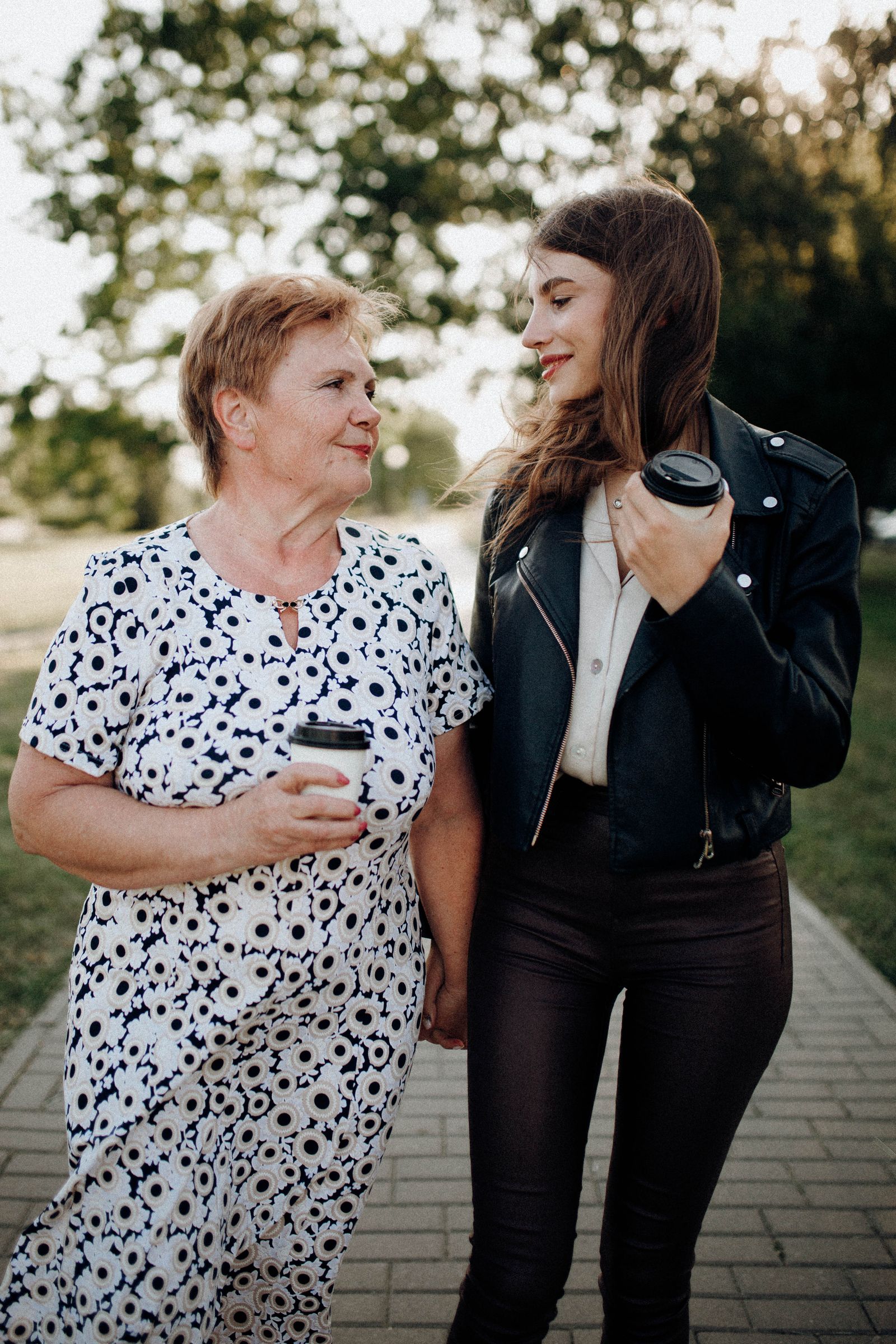
Companion care at home.
The everyday care most families start with. Company and conversation, errands and meals, walks and rides to appointments, kept by a familiar face who knows your loved one's stories and how they take their coffee.
- Licensed in TexasHCSSA #023843
- How we workPrivate pay, non-medical
- When you callA real person, never a call center
Living alone gets quiet in a way that is hard to see from the outside. The phone rings less. Meals get skipped because cooking for one stops feeling worth it. The car sits in the driveway because driving at dusk got nerve-wracking, and so the hair appointment, the grocery run, the lunch with a friend all slowly fall away. Nothing is wrong, exactly, and that is what makes it easy to miss. Loneliness is the quiet risk that creeps into an older person living alone, and it wears on a body the way a fall does. We do not meet it with a task list. We meet it with presence: a familiar person who shows up, stays a while, and turns an empty afternoon into a day with company in it.
Presence is the care. Everything else is just what fills the hours.
No vague reassurance. Here is exactly what a caregiver does in this home, on an ordinary day, kept to the plan and documented.
Company and real conversation
The second cup of coffee, the card game, the photographs pulled out and talked through. Not a caregiver hovering, a familiar person who is genuinely good company and glad to be there.
Errands, groceries, and the household run
The grocery list, the pharmacy pickup, the dry cleaning, the bills laid out on the table. The ordinary logistics of a week, handled so they never pile up into a worry.
Meal prep and shared meals
A real lunch instead of a skipped one, made the way they like it, and eaten with company at the table. Eating alone is half of why eating stops; we put someone in the other chair.
Walks, outings, and light housekeeping
A walk around the block while the weather holds, a tidy kitchen, fresh laundry, the small order that makes a home feel cared for. Movement and a kept house, without it being a production.
Rides, plus travel and vacation company
We drive to appointments and outings, wait, and keep the family informed when they cannot be there. And a caregiver can go where the family goes, the holiday trip, the long weekend, so the company does not stay home.
The need changes as the season does. The plan changes with it, and the team does not. Here is how an engagement is built to move.
- A few hours a week
Most families start light, a couple of afternoons a week, mostly for the company. Your loved one is independent and capable, and the help is gentle: a ride, a shared meal, someone to talk to and run the errands with. The real work in these early weeks is the relationship. The caregiver becomes a familiar weekly face now, so that if needs grow later, the trust is already built and no one is starting over with a stranger.
- Part of the weekly rhythm
The few hours become a fixture. They look forward to the days the caregiver comes, and the family notices they are eating better, getting out more, sounding like themselves on the phone. The visits stretch a little longer and cover a little more: the standing appointments, the regular shop, the walk that has become a habit. The week now has a shape it did not have before, and a familiar person inside it.
- A steady presence
Over time, companion care often becomes the thing that holds the week together. More days, longer visits, the same trusted face who knows the routines and the moods and what a good day looks like. This is where many families find the most relief, because the loneliness is gone and a reliable set of eyes is in the home, catching the small changes early.
- When the help needs hands
Companion care quietly grows into personal care when the day starts asking for it. A hand with bathing or dressing, more help with mobility, the hands-on work that companionship alone cannot cover. Because the relationship is already there, the shift is gentle. The same caregiver who has been good company simply does a little more, and the trust carries the harder help.
Companion care can look like the easy work, and it is the one we are most careful about, because fit is everything when the whole point is the relationship. Every caregiver we place for companion care prepares for the real substance of it: the warning signs of isolation and decline that show up first in someone living alone, the safe-driving and transportation standards for rides and outings, fall awareness on walks and around the house, simple nutrition and the reasons an older person stops eating, and the patient, unhurried presence this work asks for. Just as much, we screen for the human thing a checklist cannot teach, whether a caregiver is genuinely good company and genuinely wants to be there. The Administrator builds the care plan with you in person, from a conversation about who your loved one actually is, their stories, their routines, what they love, never from a template.
Licensed in Texas, HCSSA #023843.
Straight answers first, the reasoning after. If yours is not here, a real person on our care team will answer it on the phone.
- 01What does companion care include?
- Companion care covers company and conversation, errands and groceries, meal prep, walks and outings, light housekeeping, and transportation to appointments. It is non-medical, hands-off help: the everyday support and presence that keeps an older person engaged and safe at home. Many families add hands-on personal care later as needs grow.
- 02What is the difference between companion care and personal care?
- Companion care is company, light help, errands, meals, and rides. Personal care adds hands-on help with bathing, dressing, mobility, and daily living. Many families start with companion care and grow into personal care over time, often with the same caregiver, so the harder help comes from a familiar face rather than a stranger.
- 03Can a companion caregiver drive my loved one to appointments and run errands?
- Yes. Transportation is part of companion care. We drive to and from the doctor, the pharmacy, the hair appointment, the grocery store, and social outings, we wait through the appointment, and we keep the family informed when they cannot be there. Getting out of the house again is often the whole point.
- 04Can a caregiver travel or go on vacation with the family?
- Yes. A companion caregiver can travel with the family for a trip, a holiday, or a longer vacation, so the company and the light help do not have to stay home. We arrange travel care case by case around the family's plans. Call 713.732.0445 to set it up.
- 05Are companion caregivers medical professionals?
- No, and we are honest about that. Giving Care Houston is a non-medical personal-care agency, and companion caregivers do not perform clinical or skilled-nursing tasks. We provide company, daily support, and a watchful presence, and we coordinate with your home-health and medical team rather than replacing them.
Where we serveGreater Houston and the surrounding areas.
Active companion care engagements in homes across Greater Houston and the surrounding areas.
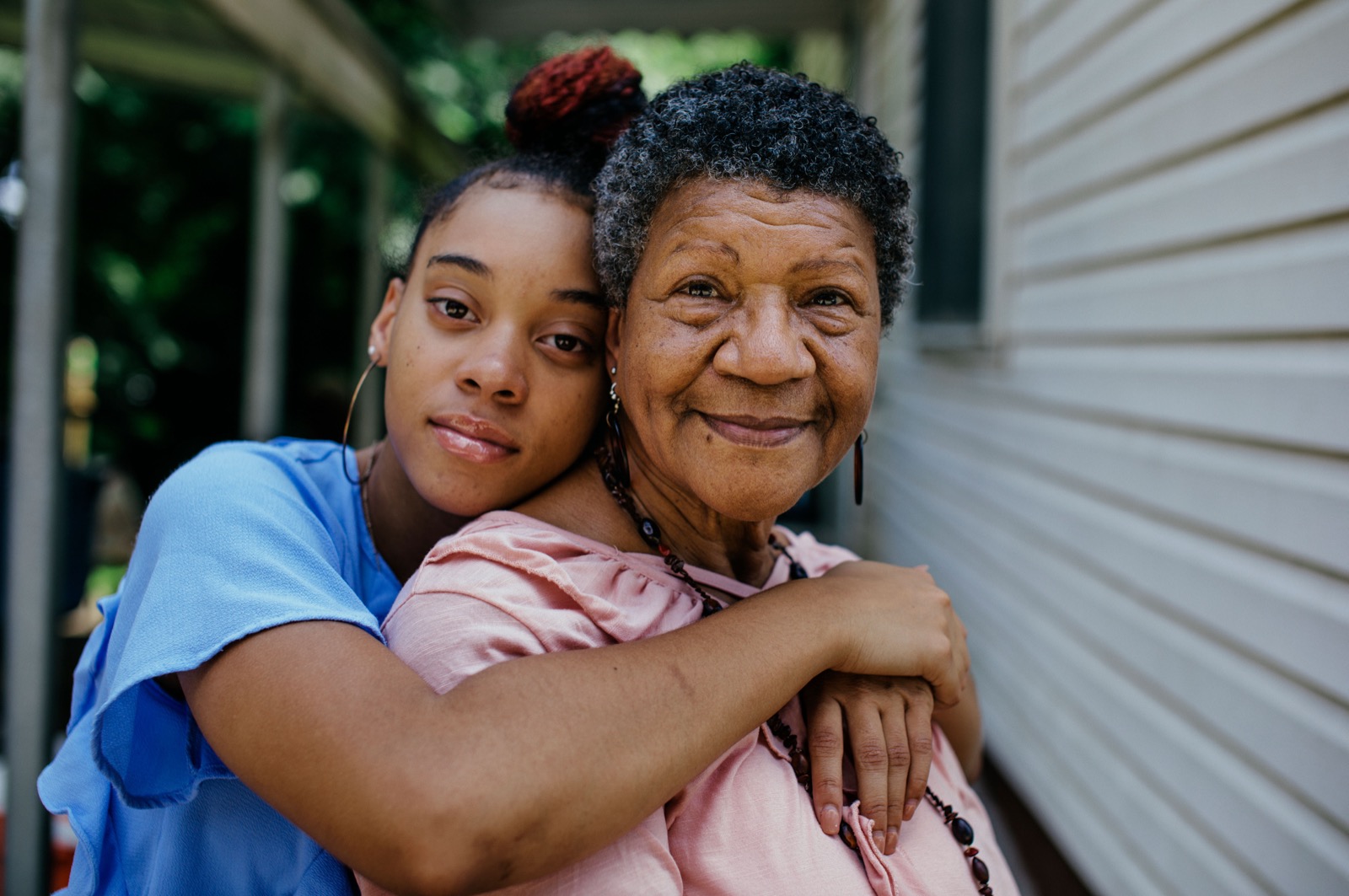
your family.
Call any time and tell us about your loved one. We will talk through companion care at home, what it looks like, and how we would staff it. You reach a real person on our care team who knows your family, never a call center, and we get back to you the same day, within one business day at the latest.
A real person on our care team who knows your family answers, never a call center.